

MCN Special Interest Groups (SIGs) are volunteer-led MCN members’ communities of practice that are organized around specific topics of interest or niche practice areas. They operate with the support and oversight of the MCN Board. SIGs reflect the diversity of the many technology and digital practices in museums. Far from being silos or compartments that focus exclusively on a single topic or area, SIGs names and areas of focus may shift over time to reflect actual changes in the field. Many topics overlap, and SIGs frequently collaborate to develop programming and conversations that are relevant across disciplines.
SIGs provide MCN members the opportunity to connect with colleagues doing similar work in the field, explore opportunities to collaborate among them, share resources and best practices, or discuss ways to advance their area of digital practice. SIG members are encouraged to submit proposals to present at the MCN annual conference.
SIGs also offer valuable professional development opportunities to MCN members who want to raise their profile and volunteer their time and efforts to lead a SIG. Those interested in leading a SIG can learn more by reviewing the SIG Charter. SIG chairs or co-chairs are nominated and vacancies are filled annually in December through election by their peers for a one-year renewable term.
How to Join or Create a SIG
MCN members may join any SIG and there is no limit on the number of SIGs a member may join. When you fill out the free membership registration form, just select which SIGs you’d like to join. You can join or leave a SIG at any time by updating your profile in the Member Portal. Join or Login today!
The SIG Charter provides an operational framework for all SIGs. To create a new SIG, sponsors need to prepare a formal SIG proposal to be submitted to the MCN board for consideration. Proposals need to clearly demonstrate a need for this SIG, indicate how the subject matter is distinct from existing SIGs, and outline how the proposed co-chairs will work with existing SIGs to foster dialog and discussion amongst MCN members. If you are an MCN member interested in forming a new SIG, contact [email protected].
Digital Stewardship SIG
The Digital Stewardship SIG is a community of practice for museum professionals who manage digital objects throughout their lifecycle, from capture and description to preservation, access, and sharing. Topics of discussion include cultural heritage imaging, digital asset management, digital preservation, and intellectual property.
Communication
- MCN Digital Stewardship Member Portal
- MCN Slack SIG Channels #sig-digital-asset-manage #sig-digital-imaging
Co-chair, Jessica Herczeg-Konecny, Lead Technical Analyst, Digital Asset Management, Metropolitan Museum of Art

Jessica Herczeg-Konecny is Lead Technical Analyst, Digital Asset Management, at The Metropolitan Museum of Art and co-editor of Digital Asset Management for Museums (Bloomsbury Academic, September 2025). After undergraduate work in English and American Culture Studies at Washington University in St. Louis, Jessica obtained a master’s degree in Public History from Indiana University-Purdue University Indianapolis. She has been working in the museum industry for over fifteen years in archives, collections management, and rights and reproductions, with a focus on digital asset management for the past ten years. Prior to the Met Jessica worked in DAM at the Chicago History Museum and the Detroit Institute of Arts. In addition to serving as a SIG Chair, her professional development activities have included presentations at conferences for MCN and Henry Stewart DAM events.
Co-chair, Christopher Ciccone, Photographer & Digital Asset Manager, North Carolina Museum of Art
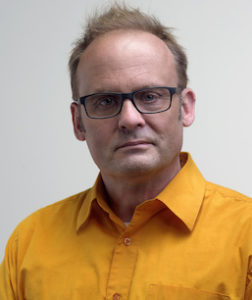
Christopher Ciccone is Manager of Digital Imaging at the North Carolina Museum of Art, where his duties also include digital asset administration. Prior to his museum tenure, he worked in a variety of commercial photographic settings. Experiencing the industry transformation from film to digital has given him a broad perspective on the challenges and opportunities in the field. An MCN member since 2014, Christopher is interested in encouraging more practical and technical imaging presentations at MCN conferences as well as facilitating ongoing engagement and collaboration between large and small institutions.
Educational and Interpretive Media SIG
We seek to create a community of practice and to build knowledge and skills around the planning and implementation of media and experiences that support visitor’s connections to collections and ideas. The group addresses the role of digital interpretation and educational tools in the museum and the use of digital media for connecting with museum visitors across a wide array of platforms both in the museum and online.
Communication
- MCN Educational and Interpretive Media Member Portal
- MCN Slack Channel #sig-educational-interpretive-media
- Other ways as determined by SIG chairs
Topics
This community seeks to support and foster conversation around the following topics:
- Methods for the digital interpretation of the collection
- Facilitating visitor engagement and learning with objects and ideas
- Making collections digitally accessible to the public
- Inclusive accessibility of interpretation in the museum
- Cross-departmental collaboration
- Best practices for digital interpretation
- Organizational structures for interpretive media- who is responsible?
- Evaluation for digital projects and interpretive media
- Leading content creation vs. content development as service
- Education and Interpretation crossover
- Who makes digital content? Pathways to museum interpretation
- Qualifications and skills of being in museum interpretation
- Storytelling and empathy
Chair, Kevin Kane, Software Developer, North Carolina Museum of Art

I work primarily in software development, audiovisual tech, and systems administration for interpretation projects. I have been with the North Carolina Museum of Art since 2018, and have also consulted on immersive technology feasibility and installations for other modestly sized art institutions. Recently, I am focused on designing interactive applications that deepen context for permanent collection objects and offer various modes of engagement for visitors. As a museum tech professional, I’m interested in responsibly reducing the encumbrances of interactive technology, thinking of computing as a scaffold for constructing edifying experiences with artifacts, and broadening representation and narratives within exhibit media. Within MCN, I look forward to supporting educational goals across the field and workshopping our digital platforms together.
Co-chair, Miranda Kerr, Head of Learning Innovation, Peggy Notebaert Nature Museum, Chicago
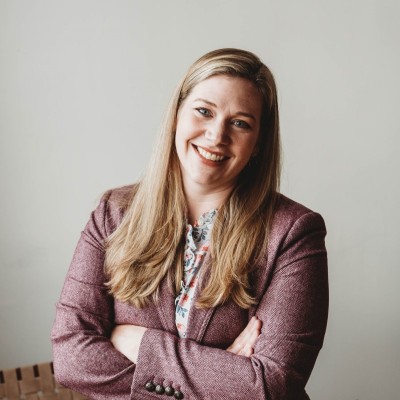
Since 2023, Miranda Kerr has been the Head of Learning Innovation at the Chicago Academy of Sciences/Peggy Notebaert Nature Museum, whose mission is to create a positive relationship between people and nature. She is passionate about environmental education, museum-based learning, and innovative approaches to learning. She has over 20 years of experience developing learner-centered programs for diverse audiences in museums, classrooms, and online. Prior to joining the Nature Museum, Miranda spent 10 years at Shedd Aquarium, serving as the Manager of Digital Learning, and 3 years running her own consulting business, Miranda Kerr Consulting LLC, creating digital learning and science education experiences. Miranda lives in Chicago with her husband and two kids, and enjoys hiking, reading, and her native plant garden.
Human-Centered Data and Design SIG
Humans are at the heart of every museum experience, in both physical and digital spaces. Understanding the needs, preferences, and behaviors of these people, through qualitative and quantitative research and testing, centers human beings in our efforts to design and improve those experiences. The Human-Centered Data and Design SIG aims to foster conversations in the MCN community about evidence-based approaches to understanding who we serve; and evaluating and improving the accessibility, inclusivity, effectiveness, and impact of designed experiences.
Communication
- MCN Human-Centered Data and Design Member Portal
- MCN Slack Channel #sig-human-centered-design
Co-chair, Brian Hewitt, UX Architect/Front-end Developer, Corning Museum of Glass

Brian Hewitt is a veteran UX/UI designer and developer, with more than 20 years of experience across various sectors. Past work includes leading front-end development and accessibility initiatives at e-commerce grocery retailer, Peapod; managing web and print design and production for the research and advocacy organization, Population Action International; and designing and developing educational web sites and interactive materials at NASA’s Laboratory for High Energy Astrophysics. In his first museum role, he currently leads user experience research/testing and interactive design at the Corning Museum of Glass. Brian has a multidisciplinary physics degree from American University in Washington, DC; studied design and fine art at the Corcoran College of Art + Design; and received a Master of Fine Art degree from Edinburgh College of Art in Scotland. Brian is an artist, runner, and board and role-playing game enthusiast. He lives with his wife and pancake-loving blind dog in Corning, New York.
Information Technology SIG
The MCN Information Technology Special Interest Group (IT SIG) provides a forum for museum information technology individuals to exchange technical information, keep current on emerging technologies, and share related management ideas to enhance the missions of our individual museums as well as to enhance the museum community as a whole.
Communication
- MCN Information Technology Member Portal
- MCN Slack Channel #sig-information-technology
Chair and Co-Chair (Pending Elections)
IT SIG chair and co-chair roles are currently in the process of being filled.
IIIF (International Image Interoperability Framework) SIG
Museums need reliable image delivery to support rich visitor experiences and internal information management. Moreover, internal and cross-institutional collaborations, and the development of knowledge—elements which are at the core of each museum’s mission—require well-established standards and protocols to share, discover and compare visual materials and metadata.
This SIG proposes to be the resource for knowledge about the benefits of the IIIF standard as well as be a link to the IIIF community. The goal of this SIG is to foster interest in IIIF, especially in regard to its collaborative nature based on the standardization of information and tools; inform the MCN community of the latest IIIF activities and technical developments; and to leverage expertise in the MCN community by documenting IIIF use cases and welcoming technical feedback that can be passed on to the IIIF Specifications Editors.
The IIIF SIG intends to leverage the existing communication channels that are currently used by the IIIF open community at large, which does not require membership, such as the IIIF lists (Discuss and others), Slack, email, and GitHub. The IIIF MCN SIG will also coordinate with the IIIF Community, in particular the IIIF Museums Community Group.
Communication
- MCN IIIF Member Portal
- MCN Slack Channel #sig-iiif
Topics
- Patterns and best practices for delivering and sharing visual resources and metadata
- Tools to better engage museum visitors and staff with digital resources
- Dialogue with vendors to encourage the support of IIIF in software products commonly
used by museums - Engaging with an open source community to build shared digital standards and
guidelines - The role of community input in IIIF to drive technical specifications
Chair, Tristan Roddis, Director of Web Development, Cogapp

Tristan is a web technologist with over twenty years of experience working with museums and other cultural organizations. He is passionate about both technology and the way in which museum data can be represented and presented to users, which is why he is so interested in IIIF. He has been implementing IIIF standards for museums and archives for over ten years, including large-scale implementations of three core APIs: Image, Presentation and Content Search. He has shared this knowledge via presentations and workshops at various conferences, including sessions at MCN (which he has attended six times so far). As co-chair he hopes to make sure that MCN members are aware of the possibilities and advantages of IIIF, as well as focusing on how members can get the help they need for implementing standards-compliant systems.
Co-chair, Caitlin Perry, Community & Communications Coordinator, IIIF Consortium

Caitlin serves as the IIIF Consortium’s Communications and Community Coordinator, working with the experts and adopters of IIIF to help advance the framework and its utility. In her role at the Consortium, Caitlin plans events, supports community work, develops external and internal communications, and delivers training and education.
Social Media and Digital Content SIG
We support MCN members working in media creation and social platforms by fostering a collaborative community focused on storytelling, branding, and audience engagement. Through the sharing of strategic and technical knowledge, we explore methods of digital media production—video, audio, and more—as tools to express institutional identity and mission. Our group promotes best practices in content strategy, campaign execution and evaluation, community management, and the integration of branding into production and user experience. Together, we aim to maximize the impact of digital content within an evolving media ecosystem.
Communication
- MCN Slack #sig-social-media
- MCN Forum on Groups.io
- MCN Social Media and Digital Content Member Portal
Topics
This community seeks to support and foster conversation around the following topics:
- Social Media Strategy
- Using content management tools for effective social media planning.
- Applying standards and best practices in social media metrics and evaluation.
- Leveraging social media to support educational missions and institutional goals.
- Discussion around evolving trends, platforms, and best practices.
- The role of social media in supporting educationally-focused missions.
- Content Creation & Distribution
- Content creation and implementation strategy across websites, apps, and social platforms.
- Integrating new and varied media formats into campaigns and projects.
- Telling compelling stories through digital media to develop and reinforce brand identity.
- Benchmarking production styles and approaches for digital content development.
Co-chair, Emily Haight, Social Media Manager, New-York Historical Society

Emily Haight is currently the Director of Communications and Marketing at the Tenement Museum in New York City. Previously, Emily was the Director of Social Media at The New York Historical. She managed social media, e-communications, planned advertising, and designed and coordinated graphic materials at the National Portrait Gallery, Smithsonian Institution. She also previously managed social media at the National Museum of Women in the Arts, collaborating and planning the museum’s #5WomenArtists social media campaign. She values cross-institutional collaboration through social media, sparking dialogue with online audiences and diverse communities, and creative uses of tech in museum spaces.
Co-chair, Ryan Waggoner, Creative Services Manager, Spencer Museum of Art

Ryan Waggoner is the Director of Creative Services at the Spencer Museum of Art. As an arts professional with a passion for visual storytelling and making art accessible to all, he has dedicated his career to creating dynamic and engaging platforms and content that inspires people to explore the world of art. He is a graduate of the University of Kansas (2011) and the Getty Leadership Institute NextGen program (2017).
Strategy SIG
Strategic planning is beneficial for all Museums to undertake; strategic planning in the digital realm is not only beneficial, but necessary. From a high-level perspective, our discussions will cover all aspects of digital strategy: from aligning digital priorities to overall Museum strategic priorities, gaining support and funding for digital initiatives, educating stakeholders on the importance of digital access and encouraging staff to become digital advocates, to strategies for sharing digital content. Bring your questions and we’ll explore the answers together.
Communication
- MCN Strategy Member Portal
- MCN Slack SIG Channel #sig-strategy
Topics
This community seeks to support and foster conversation around the following topics:
- The role of digital in museum-wide strategic planning
- Digital content strategies
- Managing up and educating throughout the museum
- Priorities and balancing these priorities across the museum
- The role of digital content in exhibitions and maximizing its effectiveness
- Digital technologies and how we tell our stories
- Museum-wide digital responsibilities
Co-chair, Ron Czik, Director of Technology and Digital Strategy, MIT Museum

Ronald Czik is the Director of Technology and Digital Strategy at the MIT Museum, where he leads efforts to align digital infrastructure, exhibit technology, and public-facing platforms with the museum’s strategic goals. With a career spanning over 40 years in software development and technology management, Ron has held leadership roles in both industry and academia, including Pegasystems, CVS Health, and Boston University, where he teaches graduate courses in mobile application development and software engineering. His work focuses on building sustainable systems, fostering cross-disciplinary collaboration, and exploring emerging technologies that support public engagement, accessibility, and institutional resilience. As co-chair of the MCN Strategy SIG, he is particularly interested in helping museums think critically and practically about long-term digital planning.
Co-chair, Frances Lloyd-Baynes, Manager of Art Information, Princeton University Art Museum
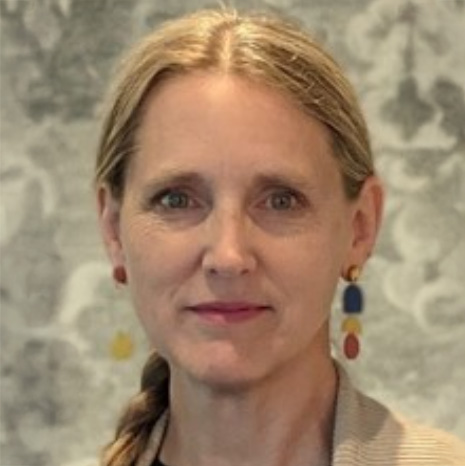
Frances Lloyd-Baynes is manager of art information at the Princeton University Art Museum where she is responsible for the strategic direction and execution of the institution’s art information activities, including data access and preservation, digital retention, digital experience development, and open-access policies. Frances has spent her career in museums, holding similar roles at the Minneapolis Institute of Art and the Victoria & Albert Museum, London. In addition to publishing regularly on issues of data, collections and digital practice, she has served a variety of museum industry organizations on vital topics related to best practice standards and tools. As Princeton opens its new museum in October 2025 and looks to draft its next iteration strategic framework, Frances is focused on exploring ways to embed and enliven digital strategy at the museum.